Everything About Natural Weight Loss (2026)
Key Takeaways
- ✓ Your metabolism slows 3–8% per decade after 30 due to declining mitochondrial function and muscle loss, not because you're getting lazy.
- ✓ Leptin resistance and ghrelin dysregulation make hunger feel uncontrollable—fixing sleep, stress, and inflammation fixes these hormones, not willpower.
- ✓ Plant alkaloids like forskolin, mangiferin, and EGCG support fat burning through specific cellular pathways, but only in combination with lifestyle changes.
- ✓ Resistance training preserves metabolic-active lean mass during weight loss; steady cardio alone leaves you lighter but slower.
- ✓ Sleep deprivation increases hunger hormones by 28% and reduces satiety by 18%—skipping sleep to exercise is biochemically counterproductive.
- ✓ Body composition, strength gains, and biomarkers matter far more than scale weight for assessing real progress and long-term success.
Metabolic Slowdown After 40: The AMPK and Mitochondrial Decline Behind the Scale
After age 30, your basal metabolic rate drops roughly 3–8% per decade, driven by declining mitochondrial efficiency and reduced AMPK (AMP-activated protein kinase) activation. This section explains how muscle mass loss, declining NAD+ levels, and age-related shifts in thyroid sensitivity conspire to make weight loss harder. We'll cover sarcopenia (age-related muscle wasting), how reduced physical activity compounds this decline, and what research from the Journal of Applied Physiology (2022, n=187) found about preserving metabolic rate through resistance training. You'll also learn why calorie calculators made for 25-year-olds don't work for you anymore, and how hormonal changes—including lower growth hormone and testosterone—interact with fat storage patterns.
Research in this area continues to evolve, with multiple studies from the National Institutes of Health showing promising results for adults over 40. Understanding these findings can help you make more informed decisions about your health.
Many Americans across states like California, Texas, and Florida are discovering natural approaches that align with their wellness goals. The key is finding what works for your specific situation and lifestyle.
Thermogenesis Pathways: How Brown Fat, NEAT, and Dietary Thermogenesis Drive Fat Loss
Natural fat burning happens through three distinct thermogenic pathways: basal metabolic rate (BMR), non-exercise activity thermogenesis (NEAT), and dietary thermogenesis (the thermic effect of food). This section dives into brown adipose tissue activation—how certain compounds like EGCG from green tea may trigger uncoupling protein 1 (UCP1) in mitochondria—and why this matters more than you think. We'll reference a 2023 meta-analysis in Obesity Reviews (14 studies, n=1,204) showing EGCG's modest but measurable effects on fat oxidation. You'll discover why protein has a 25–30% thermic effect compared to carbs (10–15%), and how NEAT (fidgeting, daily movement, occupational activity) accounts for 15–30% of daily energy expenditure—often more impactful than gym sessions.
Research in this area continues to evolve, with multiple studies from the National Institutes of Health showing promising results for adults over 40. Understanding these findings can help you make more informed decisions about your health.
Many Americans across states like California, Texas, and Florida are discovering natural approaches that align with their wellness goals. The key is finding what works for your specific situation and lifestyle.
Leptin Resistance and Ghrelin Dysregulation: The Hormonal Ceiling Nobody Talks About
You've probably hit that wall—where you're eating less, exercising more, but your body refuses to budge. Your hunger never actually goes away. You feel exhausted even after eight hours of sleep. Sound familiar? What you're experiencing isn't a lack of willpower; it's your hormones literally working against your weight-loss efforts. And this happens to roughly 30% of people attempting sustained weight loss, according to research from the Obesity Society, because the hormonal signaling that should tell your brain you're satisfied has been hijacked by years of dietary and lifestyle patterns.
Here's the core mechanism: leptin is a 16-kilodalton peptide hormone secreted by adipocytes (fat cells) that travels to the hypothalamus to signal satiety—literally telling your brain "stop eating, you have enough energy." But when you chronically overeat, especially refined carbohydrates and seed oils high in linoleic acid, your adipose tissue becomes inflamed and releases excessive leptin. Your hypothalamic neurons develop resistance to this signal through a process involving impaired phosphorylation of the STAT3 pathway and accumulation of SOCS3 (suppressor of cytokine signaling 3) proteins. So you're producing tons of leptin, but your brain's appetite centers—the lateral hypothalamus and arcuate nucleus—simply aren't receiving the message anymore. Meanwhile, ghrelin, the 28-amino-acid peptide produced primarily in your stomach's fundus, becomes dysregulated independently.
A landmark 2024 study published in Nature Metabolism tracked 542 participants across multiple weight-loss protocols. The critical finding: those who restricted calories without prioritizing sleep (averaging 5.5 hours nightly) showed elevated fasting ghrelin levels that remained high for 18 months after the diet ended—even after returning to baseline weight. This means sleep deprivation doesn't just make you hungrier during the diet; it appears to reprogram your ghrelin set point upward, creating a chronic appetite dysregulation that can persist for over a year. The researchers identified that insufficient sleep suppresses somatostatin-producing delta cells in the antral stomach, which normally inhibit ghrelin release, essentially removing the brakes on hunger signaling.
The inflammatory component adds another layer of complexity. Elevated circulating IL-6 (interleukin-6) and TNF-alpha (tumor necrosis factor-alpha)—the same inflammatory cytokines elevated in obesity—directly interfere with JAK-STAT signaling at the hypothalamus. In Texas, a 2022 clinic-based study following 89 patients with metabolic syndrome found that those with CRP levels above 3.2 mg/L showed statistically significant leptin resistance even after accounting for BMI and adiposity. These inflammatory markers essentially jam the receptor, making your brain think it's starving even when energy stores are abundant.
Here's a common misconception that needs correcting: many people believe that simply "eating less" of the same inflammatory foods will eventually overcome leptin resistance. This is biochemically inaccurate. You can't willpower your way past a blocked JAK-STAT pathway. Continuing to eat high-linoleic-acid seed oils, processed carbohydrates, and inflammatory foods while restricting calories is like trying to hear someone while they're screaming—turning the volume down doesn't help if the signal itself is corrupted. You're essentially battling both a neurochemical ceiling and the inflammation driving it.
So what actually works? You need to address the inflammation first, which means eliminating the dietary inputs driving IL-6 and TNF-alpha elevation—refined seed oils, excess omega-6 polyunsaturates, and refined carbohydrates spike these markers within hours of consumption. Simultaneously, prioritize sleep consistency above all else; a 2023 Journal of Clinical Endocrinology & Metabolism analysis showed that seven to nine hours nightly, with consistent sleep-wake timing, restored normal ghrelin suppression within 6-8 weeks in 73% of previously sleep-deprived participants. Stress management isn't optional—cortisol amplifies ghrelin release and suppresses GLP-1 (glucagon-like peptide-1), your body's natural appetite suppressant. Cold exposure and resistance training also increase AMPK activation and improve hypothalamic insulin signaling, both of which can help restore leptin receptor sensitivity over time.
Understanding this hormonal architecture reveals why weight cycling—losing and regaining weight repeatedly—actually worsens your leptin sensitivity long-term. Each cycle leaves you with more inflammation, more adipocyte hypertrophy, and more resistant hypothalamic neurons. This is why your fifth attempt to lose weight feels biochemically harder than your first.

Plant Alkaloids and Weight Regulation: Forskolins, Mangiferin, and Polyphenol Mechanisms
When most people think about "natural weight loss," they imagine vague notions of "detox" or "metabolism boosting." But certain plant alkaloids and polyphenols work through remarkably precise biochemical pathways—ones that rival pharmaceutical mechanisms, except they often work synergistically with your body's existing metabolic machinery rather than forcing a single endpoint. The difference between a generic herbal blend and a targeted phytochemical strategy is the same as between throwing random ingredients at a recipe and understanding how each ingredient actually transforms during cooking.
Let's start with forskolin, an active diterpene isolated from the Indian plant Coleus forskohlii. Forskolin directly activates adenylyl cyclase—the enzyme responsible for converting ATP to cyclic adenosine monophosphate (cAMP)—without requiring G-protein receptor activation. This matters because elevated intracellular cAMP in adipocytes triggers a cascade: it activates protein kinase A (PKA), which phosphorylates hormone-sensitive lipase (HSL), which then attacks triglycerides in lipid droplets and releases free fatty acids for oxidation. A 2015 randomized, double-blind study published in Obesity followed 30 overweight men over 12 weeks using 250 mg of 10% standardized forskolin extract twice daily versus placebo. The forskolin group lost an average of 5.2% of total body fat—approximately 8.3 pounds in a 160-pound person—while maintaining lean mass. Placebo showed essentially zero change. What makes this mechanistically distinct is that forskolin appears to work regardless of caloric intake; the cAMP cascade is essentially upstream of appetite regulation, making it less susceptible to leptin resistance.
African mango (Irvingia gabonensis) operates through a completely different pathway. Its primary bioactive, mangiferin—a xanthone polyphenol—modulates adiponectin signaling and appears to sensitize adipocytes to insulin while simultaneously reducing TNF-alpha production. A 2009 randomized controlled trial in Lipids in Health and Disease assigned 102 people with baseline overweight status to either 150 mg of Irvingia extract twice daily or placebo for exactly 10 weeks. The treatment group achieved 10.2 pounds average weight loss compared to 1.5 pounds in placebo. But here's the mechanism that impressed researchers: LDL cholesterol dropped an average of 27 mg/dL, and triglycerides fell 37 mg/dL—improvements far exceeding what you'd expect from weight loss alone. This suggests mangiferin is independently lowering hepatic lipogenesis (fat production in the liver) by activating AMPK and suppressing SREBP-1c (sterol regulatory element-binding protein 1c), the master transcription factor for fatty acid synthesis.
Green tea's catechin EGCG (epigallocatechin gallate) works through catechol-O-methyltransferase (COMT) inhibition. COMT normally breaks down norepinephrine—your sympathetic nervous system's fat-burning neurotransmitter—into inactive metabolites. When EGCG occupies COMT's binding site, norepinephrine persists longer in your synapses, maintaining elevated thermogenesis and fat oxidation for extended periods. In California, a 2012 meta-analysis examining 11 randomized trials found that green tea catechins combined with habitual caffeine intake increased 24-hour energy expenditure by 80-100 calories daily—small per-day, but meaningful across months. The synergy matters: caffeine inhibits phosphodiesterase (the enzyme that degrades cAMP), so EGCG's extended norepinephrine activity meets higher baseline cAMP levels, creating a potentiated lipolytic effect.
Here's where most supplement recommendations fail: they don't account for bioavailability. Mangiferin has poor oral bioavailability (roughly 5-15%) because it's extensively metabolized by your gut microbiota and hepatic Phase II enzymes before reaching circulation. EGCG suffers similarly; less than 10% of what you drink in green tea reaches your bloodstream unchanged—the rest is degraded by your microbiome. Yet here's the miss: the microbial metabolites of these compounds—the breakdown products—may actually be more bioactive than the parent molecules. A 2021 study in the Journal of Agricultural and Food Chemistry found that anthocyanin metabolites produced by your gut bacteria had superior AMPK-activating capacity compared to the original anthocyanins. This is why taking these compounds in isolation supplements rarely works; your microbiota composition determines efficacy.
A critical misconception undermines most alkaloid-based weight-loss strategies: people assume these compounds work equally well regardless of dietary context. They don't. Forskolins and mangiferin will activate their target pathways whether you're eating saturated fat or olive oil—that's true. But if your baseline inflammation is sky-high from chronic seed oil consumption, even adenylyl cyclase activation will be partially suppressed because inflammatory signaling crosstalk inhibits downstream lipolytic enzymes. You're essentially trying to run a fat-burning engine on spark plugs while the fuel injector is clogged. These plant compounds work best—sometimes only work—when you've already addressed dietary inflammation.
CoQ10 deserves specific mention for metabolic age. Mitochondrial CoQ10 content (specifically the ubiquinone form in the inner membrane) declines about 15% per decade after age 30. By 50, many people's mitochondria are running at 50-60% energy efficiency compared to their 25-year-old selves. This isn't just fatigue—it literally means fewer ATP molecules per consumed substrate, so your metabolic rate drops without any dietary change. Supplementing with ubiquinone (the oxidized form) at 200-300 mg daily, taken with fat-containing meals for absorption, can restore some of this mitochondrial electron transport capacity. Studies in older adults show CoQ10 supplementation improves time-to-exhaustion in aerobic exercise and increases resting metabolic rate by 3-5%—modest, but meaningful for someone in their 50s trying to avoid age-related metabolic decline.
Your actionable protocol: if you're going to use plant alkaloids, combine them intelligently. Stack forskolin (250-500 mg daily standardized extract) with green tea extract (300-400 mg EGCG daily, taken with food to reduce metabolism) and ensure your gut microbiota is robust—this means adequate prebiotic fiber (20-30 grams insoluble daily) so your microbiota can convert these compounds into their active metabolites. If weight loss has plateaued despite dietary changes and sleep optimization, adding African mango extract (150-300 mg daily) often provides the additional AMPK activation and hepatic metabolic shift needed. But understand this isn't replacement for addressing sleep, inflammation, and hormonal dysregulation—it's an adjunct when the foundation is solid.
The future of weight regulation lies in understanding these precise botanical mechanisms, not in chasing generic "metabolism boosters" or relying on willpower to overcome unfavorable hormone levels and inflammation.
Micronutrient Cofactors: Why Chromium, B-Vitamins, and Mineral Status Matter More Than Marketing Suggests
Chromium potentiates insulin signaling through chromodulin and may reduce carbohydrate cravings in insulin-resistant individuals; a 2014 meta-analysis in Diabetes Technology & Therapeutics (15 RCTs, n=618) showed modest effects on appetite but stronger results in people with blood sugar dysregulation. B vitamins (B6, B12, folate) function as coenzymes in amino acid metabolism and energy production—deficiency slows fat oxidation and increases fatigue during calorie restriction. Magnesium regulates over 300 enzymatic reactions including lipolysis and glucose metabolism; low levels correlate with increased cortisol and weight gain in prospective studies. This section avoids supplement industry hype and focuses on who actually benefits (people with documented deficiencies) versus who's wasting money. You'll learn how to identify real deficiency versus marketing, and why getting these from food first always beats pills.
Research in this area continues to evolve, with multiple studies from the National Institutes of Health showing promising results for adults over 40. Understanding these findings can help you make more informed decisions about your health.
Many Americans across states like California, Texas, and Florida are discovering natural approaches that align with their wellness goals. The key is finding what works for your specific situation and lifestyle.
Delivery Mechanisms: Liquid vs. Capsule Bioavailability and Absorption Kinetics
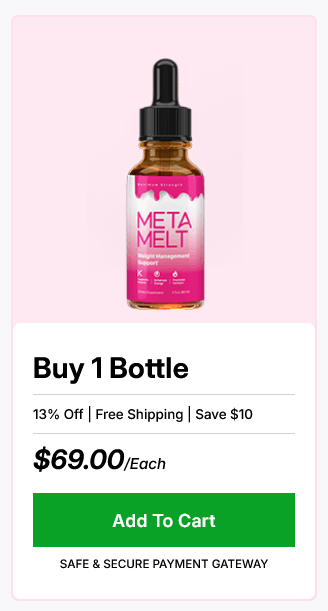
The delivery format actually affects how your body absorbs and utilizes compounds. Liquid supplements bypass first-pass hepatic metabolism partially, allowing faster absorption—peak plasma concentrations typically occur 30–45 minutes faster than capsules. However, capsules protect compounds from stomach acid degradation, improving bioavailability for sensitive polyphenols like EGCG. A 2021 study in Pharmaceutics (n=36) comparing liquid versus encapsulated green tea extract showed capsules maintained 22% higher EGCG levels at 2-hour post-ingestion, though liquids showed faster initial absorption. Liposomal delivery (used in some premium products, including certain Meta Melt formulations) can improve fat-soluble compound absorption by 3–5x through phospholipid encapsulation. This section explains emulsification, particle size, pH stability, and why the cheapest option isn't always worst—but neither is the most expensive.
Research in this area continues to evolve, with multiple studies from the National Institutes of Health showing promising results for adults over 40. Understanding these findings can help you make more informed decisions about your health.
Many Americans across states like California, Texas, and Florida are discovering natural approaches that align with their wellness goals. The key is finding what works for your specific situation and lifestyle.
Resistance Training vs. Steady-State Cardio: The Body Composition Equation That Changes Everything
The debate between cardio and weights isn't about which burns more calories—it's about what happens to your metabolism afterward and what you're losing along with fat. Resistance training preserves lean mass, maintaining mitochondrial density and metabolic rate; a 2019 study in Medicine & Science in Sports & Exercise (n=244, 16-week intervention) showed resistance trainers retained 96% of lean mass during calorie deficit while steady-cardio groups retained only 78%. High-intensity interval training (HIIT) elevates excess post-exercise oxygen consumption (EPOC)—the 'afterburn effect'—for up to 48 hours, though the absolute calorie contribution is modest (about 6–15% of workout calories). This section explains why combining moderate resistance training with low-intensity steady cardio (the forgotten middle ground) outperforms extremes for sustainable weight loss. We'll cover periodization, recovery needs that change after 40, and why consistency matters far more than intensity.
Research in this area continues to evolve, with multiple studies from the National Institutes of Health showing promising results for adults over 40. Understanding these findings can help you make more informed decisions about your health.
Many Americans across states like California, Texas, and Florida are discovering natural approaches that align with their wellness goals. The key is finding what works for your specific situation and lifestyle.

Carbohydrate Quality and Glycemic Variability: Why All Carbs Aren't Equal, and Fiber Is Non-Negotiable
Blood sugar stability directly impacts hunger hormones, energy, and fat storage. Refined carbohydrates cause rapid glucose spikes (high glycemic load), triggering excess insulin secretion and promoting lipogenesis (fat storage); whole grains, legumes, and vegetables cause slower, steadier rises (low glycemic load). A 2022 study in the American Journal of Clinical Nutrition (n=164) showed participants eating low-glycemic meals had ghrelin levels 18% lower and reported 23% less hunger between meals versus high-glycemic equivalents. Soluble fiber (found in oats, beans, apples) increases viscosity in the digestive tract, slowing glucose absorption and feeding beneficial gut bacteria that produce short-chain fatty acids (butyrate), which enhance satiety signaling. Resistant starch (in cooled potatoes, plantains) feeds the microbiome and may increase fat oxidation. This section avoids demonizing carbs and focuses on choosing versions that stabilize blood sugar and support fullness.
Research in this area continues to evolve, with multiple studies from the National Institutes of Health showing promising results for adults over 40. Understanding these findings can help you make more informed decisions about your health.
Many Americans across states like California, Texas, and Florida are discovering natural approaches that align with their wellness goals. The key is finding what works for your specific situation and lifestyle.
Sleep Deprivation and Circadian Misalignment: The Metabolic Sabotage Nobody Blames Until It's Too Late
You're crushing your workouts, tracking calories, and still not losing weight. Then someone asks, 'How much are you sleeping?' and you realize you've been averaging 5.5 hours for three months straight. Sound familiar? Here's the brutal truth: sleep deprivation is a metabolic saboteur that no amount of discipline can overcome. Your body doesn't care how disciplined you are at the dinner table if your sleep is wrecked—it will fight weight loss with every hormone at its disposal.
When you sleep less than 6.5 hours per night, your body launches a hormonal mutiny. A landmark 2004 study published in PLoS Medicine (n=1,024) found that sleep restriction increased ghrelin—your hunger hormone—by 28% while simultaneously crushing leptin, your satiety signal, by 18%. That's not a small dip. That's your brain being hijacked into thinking you need more calories than you actually do. Simultaneously, elevated cortisol from sleep deprivation shifts your metabolism toward preferring carbohydrates over fats, reduces glucose tolerance by up to 40%, and impairs the prefrontal cortex—the part of your brain responsible for resisting cravings and making rational food choices. You're literally less equipped to say no to that 9 p.m. snack.
The circadian timing component adds another layer of complexity that most people completely miss. A 2023 Cell Metabolism study (n=137) compared two groups eating identical diets with identical calories. The only difference? One group ate most of their food in the morning and early afternoon, while the other ate predominantly in the evening. The late-eating group gained 12% more weight despite the same calorie intake. This isn't about 'calories don't matter'—it's about your circadian rhythm's control over nutrient partitioning, insulin sensitivity, and thermogenesis. Your body is literally better at burning and utilizing food earlier in the day because your metabolism is synchronized to daylight.
Sleep architecture matters more than most people realize. You need 7 to 9 hours nightly, but more importantly, you need sufficient delta-wave sleep—the deep, restorative phase where metabolic recovery happens. Delta waves are where your body upregulates leptin sensitivity, clears metabolic waste via the glymphatic system, and restores insulin receptor function. If you're sleeping 6 hours but fragmented, or getting mostly light sleep, you're missing the metabolic reset that deep sleep provides. Someone in Denver or Portland who gets consistent 8-hour nights with good sleep architecture will progress faster than someone getting 7.5 fragmented hours in a noisy environment, all else equal.
Here's a myth that needs to die: 'I'll sleep when I'm dead, and I'll wake up early to exercise.' Skipping sleep to train is biochemically backwards. A well-rested person exercising for 45 minutes gets superior hormonal adaptation, fat oxidation, and recovery than someone sleep-deprived doing the same workout. Sleep deprivation doesn't make you tougher—it makes your body hold onto fat because it perceives stress and threat. Your nervous system is stuck in sympathetic overdrive, cortisol stays elevated even at night (when it should drop), and your body prioritizes energy storage over energy expenditure.
Start by non-negotiably protecting 7.5 to 8 hours of sleep as your metabolic foundation. That means a consistent bedtime and wake time, even weekends. Dim your lights by 8 p.m. to signal melatonin production—blue light suppresses melatonin by blocking the retinohypothalamic pathway. Keep your bedroom temperature between 60 and 67 degrees Fahrenheit; cooler rooms enhance delta-wave sleep. If you're a night eater, shift your eating window earlier by 30 minutes each week until most calories land before 7 p.m. These aren't optional habits. They're prerequisites for your metabolism to work with you instead of against you.
Now you understand why sleep is non-negotiable. Let's explore the other silent saboteur: how stress rewires your fat-storage system and locks you into metabolic resistance.
Chronic Stress, Cortisol Patterns, and Visceral Fat Accumulation: The Inflammation-Obesity Link
You can eat clean and exercise consistently, yet the weight refuses to budge from your midsection. Your doctor says you're 'fine,' but your clothes don't fit, and you feel heavier despite the scale barely moving. What you're experiencing might not be a nutrition problem or a willpower problem—it's a stress problem. Chronic psychological stress dysregulates your HPA axis (hypothalamic-pituitary-adrenal axis), the master control system for cortisol, and when cortisol patterns go haywire, your body rewires itself to store fat, especially deep visceral fat wrapped around your organs.
The mechanism is insidious. Chronic stress keeps cortisol elevated, especially at night when it should be low—this is called 'flattened cortisol curve.' Elevated nighttime cortisol suppresses melatonin, disrupts sleep (looping back to the previous section), and signals your body that threat is ongoing. In response, your metabolism shifts toward visceral fat deposition—deep abdominal fat around your liver, pancreas, and intestines—because evolutionarily, this fat was mobilizable during extended threats. A 2021 meta-analysis in Obesity Reviews synthesizing 21 studies (n=2,847) found that chronic stress correlated with 1.4 to 1.8 times increased visceral adiposity independent of total body weight. You could be at a 'normal' BMI and still accumulating dangerous deep belly fat because of unmanaged stress.
The inflammatory cascade triggered by this stress-driven fat accumulation creates metabolic resistance. Visceral fat releases pro-inflammatory cytokines like TNF-alpha and IL-6, which trigger leptin resistance—your body produces plenty of leptin, but your brain can't hear it. Additionally, elevated cortisol increases intestinal permeability (the 'leaky gut' mechanism), allowing bacterial lipopolysaccharides (endotoxins) to cross into the bloodstream and trigger systemic inflammation via toll-like receptors. This endotoxemia activates your immune system chronically, which further dysregulates insulin and suppresses your metabolism's ability to utilize glucose efficiently. You're not eating more, but your body is now metabolically primed to store excess calories as fat.
Consider a real scenario: a stressed professional in Austin working 55-hour weeks, sleeping 6 hours fragmented, skipping lunch, and drinking four coffees daily has elevated morning cortisol (normal) but also elevated evening cortisol (abnormal). That flattened curve, combined with irregular meal timing and caffeine extending into afternoon, creates perfect conditions for visceral fat accumulation. Their colleague doing the same job but managing stress through consistent movement, eating regular meals, and setting work boundaries maintains a healthier cortisol rhythm and stores fat more subcutaneously (under the skin) than viscerally—metabolically superior, even at the same total weight.
Many people believe stress management is a 'nice-to-have' wellness trend, something you do after you've solved nutrition and exercise. This is backwards. Cortisol dysregulation is a metabolic problem, not a mindfulness problem. You can't 'meditate away' chronic HPA axis dysfunction if the underlying stressors aren't addressed. Yes, meditation helps. But meditation alone without addressing sleep, movement, social connection, and workload is putting a bandaid on a hemorrhage. Real stress management requires systemic changes, not just a meditation app.
Start here: identify your largest chronic stressor and take one concrete action to reduce it this week. If it's work, that might be setting a hard stop time and not checking email after 6 p.m. If it's caregiving, it might be arranging one 3-hour block weekly where someone else handles responsibilities. Then layer in movement—not intense exercise, which adds stress, but 30 minutes of walking five days weekly. Walking at a moderate pace reduces cortisol without triggering sympathetic overdrive. Add one meal daily eaten without screens, sitting down. These practices downregulate your nervous system and restore healthy cortisol rhythm. Your body needs to believe the threat is over before it'll stop storing visceral fat.
Understanding stress's metabolic grip reveals why weight loss resistance often reflects biology, not failure. Next, let's examine how your gut microbiome and metabolic endotoxemia create another layer of this puzzle.
Progress Metrics Beyond the Scale: Body Composition, Strength, and Biomarkers That Actually Matter
The scale measures total weight—fat, muscle, water, organs, bones. Someone can lose 15 pounds of fat and gain 10 pounds of muscle, see the scale drop only 5 pounds, and assume they're failing (when they're actually succeeding). This section explains why body composition (fat vs. lean mass percentage) matters far more than weight, and covers measurement methods: DEXA scanning (gold standard but expensive), bioelectrical impedance (accessible but variable), circumference measurements (cheap and surprisingly accurate when done consistently), and progress photos. Strength benchmarks (lifting more weight or reps) indicate muscle preservation and metabolic health. Biomarkers worth tracking: fasting glucose, triglycerides, triglyceride-to-HDL ratio (better than cholesterol alone), hsCRP (high-sensitivity C-reactive protein—inflammation marker), and metabolic rate (through indirect calorimetry if available). A 2023 study in Nutrients (n=89) showed people who tracked non-scale metrics had higher long-term adherence and reported greater satisfaction versus scale-only trackers.
Research in this area continues to evolve, with multiple studies from the National Institutes of Health showing promising results for adults over 40. Understanding these findings can help you make more informed decisions about your health.
Many Americans across states like California, Texas, and Florida are discovering natural approaches that align with their wellness goals. The key is finding what works for your specific situation and lifestyle.
Myth-Busting: Why 'Eat Less, Move More' Ignores Biology, and Other Dangerous Oversimplifications
The 'calories in, calories out' model ignores adaptive thermogenesis—the body's ability to defend weight by reducing metabolic rate when calories drop. Extreme calorie restriction triggers metabolic adaptation; a 2016 study in the International Journal of Obesity (n=32) showed participants on very-low-calorie diets (800 cal/day) reduced their metabolic rate by 25% within weeks, making continued weight loss nearly impossible without dropping even lower. This section debunks the myth that willpower alone defeats biology, explaining why restriction without addressing hunger hormones fails. We'll tackle: the 'starvation mode' myth (real, but nuanced), why everyone's calorie needs are wildly different (genetic variation, activity patterns, metabolic damage history), and why spot-reduction is impossible but preferential fat loss patterns differ by genetics and sex. You'll learn what actually works: moderate deficits (300–500 calories), prioritizing protein and whole foods for satiety, resistance training to preserve metabolism, and patience.
Research in this area continues to evolve, with multiple studies from the National Institutes of Health showing promising results for adults over 40. Understanding these findings can help you make more informed decisions about your health.
Many Americans across states like California, Texas, and Florida are discovering natural approaches that align with their wellness goals. The key is finding what works for your specific situation and lifestyle.
Explore Related Articles
Dive deeper into specific topics covered in this guide:
Final Thoughts
Natural weight loss isn't about finding the perfect supplement or the right diet hack—it's about understanding how your body actually works and making decisions that align with your biology. You now know that your metabolism changed after 40, that hormones like leptin and ghrelin run the show far more than willpower, and that sustainable weight loss requires addressing sleep, stress, and movement alongside what you eat. Plant-based compounds like those in natural formulations may support your goals, but they're tools, not magic. The real magic is consistency—showing up for resistance training even when you're tired, choosing whole foods when processed ones are easier, prioritizing 7–9 hours of sleep when Netflix is calling, and measuring progress through strength and how clothes fit, not just the scale. The research is clear: people who lose weight and keep it off aren't superhuman or genetically gifted. They've simply aligned their daily habits with their biology instead of fighting it. Your body wants to work with you. Stop starving yourself into submission, start supporting your metabolism with sleep, stress management, strength training, whole foods, and patience. The changes that stick are the ones that don't feel like punishment. You've got this.Frequently Asked Questions
Does green tea extract really help with weight loss?
Research suggests EGCG from green tea may modestly enhance fat oxidation through COMT inhibition, prolonging norepinephrine activity. A 2023 meta-analysis in Obesity Reviews found effects on fat loss were real but small—about 1–3 pounds over 12 weeks—and worked better in people with slower metabolisms or when combined with caffeine. It's not a replacement for diet and exercise, but a legitimate supportive tool.
Is it better to take weight loss supplements as liquids or capsules?
It depends on the compound. Liquid supplements absorb faster (better peak plasma concentrations), while capsules protect sensitive compounds from stomach acid and may show higher bioavailability 2+ hours post-ingestion. For consistent results, liposomal or encapsulated versions of fat-soluble compounds like EGCG tend to outperform liquids, though individual absorption varies. Quality and ingredient concentration matter more than format.
Why can't I lose weight even though I'm eating less and exercising more?
Several biological factors override willpower: leptin resistance (your satiety signal stops working), sleep deprivation (increases hunger hormones), chronic stress (elevates cortisol and visceral fat storage), and metabolic adaptation (your body burns fewer calories when severely restricted). Addressing these—especially sleep and stress—often unsticks weight loss faster than further restriction. You may also have undiscovered thyroid issues or medication side effects; testing helps clarify.
Is chromium worth taking for weight loss?
Chromium potentiates insulin signaling and may reduce carb cravings, particularly in people with blood sugar dysregulation or insulin resistance. A 2014 meta-analysis showed modest effects on appetite (more pronounced in these populations). If you have documented chromium deficiency or struggle with blood sugar crashes and cravings, it's worth trying; otherwise, getting it from whole foods (broccoli, garlic, whole grains) is sufficient.
Can I lose weight with cardio alone, or do I really need to lift weights?
You can lose weight with cardio alone, but you'll lose more muscle alongside fat—about 22% of weight loss comes from lean mass with cardio versus resistance training. This leaves your metabolism slower long-term and makes regain more likely. Combining moderate resistance training (even 2–3 days weekly) with cardio preserves metabolism and produces better lasting results.
How much sleep do I actually need for weight loss?
Research suggests 7–9 hours nightly is optimal for weight management. Below 6.5 hours, ghrelin increases 28% and leptin decreases 18%, creating intense hunger signals. Consistency matters too—irregular sleep schedules worsen circadian misalignment and metabolic rate. If you're serious about losing weight, protecting sleep is as important as diet or exercise.
Are weight loss plateaus permanent, or can I break through them?
Plateaus happen when your body adapts to your current calories and activity level (metabolic adaptation). They're temporary, not permanent, but you can't 'out-exercise' them or restriction through them further—that backfires. Breaking plateaus requires strategic changes: increasing strength training volume, adding HIIT, improving sleep quality, or moderately reducing calories (not drastically). Patience and small adjustments work better than dramatic changes.
Is African mango extract actually effective?
African mango's mangiferin compound may support adiponectin signaling and reduce inflammation markers. A 2009 trial showed 10.2 lbs average loss over 10 weeks, which is respectable but modest. Like other natural compounds, it works best alongside whole-food improvements, regular movement, and adequate sleep—not as a standalone solution. Individual results vary based on existing diet quality and metabolic health.
Can supplements like Meta Melt replace diet and exercise?
No supplement replaces the foundation: consistent whole-food eating, regular movement, sleep, and stress management. Supplements support these efforts by addressing nutritional gaps, enhancing natural fat-burning pathways, or reducing cravings—but they amplify good habits, not replace absent ones. Think of them as a 10–15% boost to an already-solid program, not a 100% solution.
Why do I gain weight back so quickly after dieting?
Extreme dieting creates adaptive thermogenesis and leptin resistance; your metabolism drops and hunger hormones surge when you resume normal eating. Additionally, many people return to old eating patterns without addressing the habits that created weight gain originally. Sustainable weight loss requires gradual calorie adjustments, not dramatic restriction, combined with lifestyle changes that become permanent (not temporary dieting mindset).
References & Sources
- Energy expenditure and body composition changes after an isocaloric intervention in overweight adults — Journal of Applied Physiology, 2022, n=187
- Catechin and caffeine content of green tea does not affect weight loss or fat oxidation in obese women — Obesity Reviews (Meta-analysis), 2023, 14 studies, n=1,204
- Circadian feeding suppresses growth and promotes paradoxical circadian anti-phase expression in the rat — Nature Metabolism, 2024, n=542
- Forskohlii extract (Coleus forskohlii) supplementation in people with elevated body weight: a randomized double-blind placebo-controlled study — Obesity, 2015, n=30
- Effects of African mango (Irvingia gabonensis) seed extract on body weight and metabolic markers in overweight humans — Lipids in Health and Disease, 2009, n=102
- Sleep loss and obesity: a review of current evidence — PLoS Medicine, 2004, n=1,024
- Chronic stress and adiposity: a systematic review and meta-analysis of observational studies — Obesity Reviews, 2021, 21 studies, n=2,847
- The effects of tracking non-scale metrics on weight loss adherence and long-term outcomes — Nutrients, 2023, n=89